


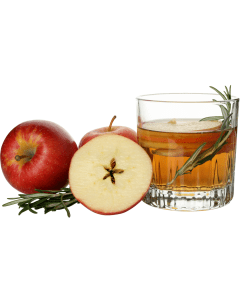
Juice, Sugar, and Acid: Understanding the Cider Triangle
As we continue moving upward through the Homebrew Skills Tree, we begin exploring how fermentation behaves differently across beverages. So far, many of our examples have focused on beer and mead, but cider introduces its own interesting balance of ingredients and fermentation behavior. At first glance, cider seems simple: juice plus yeast. But great cider depends on balancing three important elements: sugar, acid, and tannin. Many cider makers refer to this relationship as the cider triangle. Understanding how these pieces interact helps brewers create cider that tastes balanced, refreshing, and stable.
Apple Juice Is Different From Wort
Beer wort is made from malted grain, which provides sugars, proteins, nutrients, and body-building compounds. Apple juice is much simpler. Most apple juice contains sugar, water, natural acids, pectins, and aroma compounds. Compared to wort, cider often contains fewer nutrients for yeast, less protein, and less body after fermentation. This is one reason cider fermentation can behave differently than beer fermentation.
Sugar: Fuel for Fermentation
The sugar in cider is what yeast converts into alcohol. Different juices contain different sugar levels depending on variety, ripeness, and blending. Most fresh cider or preservative-free apple juice begins around 1.045 to 1.055 SG. That range usually produces a cider around 5-6% ABV. As fermentation progresses, yeast consumes the sugar and the gravity drops. Using a hydrometer or refractometer helps cider makers track fermentation progress, alcohol potential, and sweetness level.
Why Finished Cider Often Tastes Dry
It’s important to know that even sweet apple juice usually ferments into a fairly dry cider. That happens because yeast consumes most of the available sugar.
Unlike beer, cider often finishes with very little residual sweetness and a very light body. This can make the acidity seem sharper or more noticeable.
Acid: The Brightness of Cider
Acid is one of the defining features of cider. Apples naturally contain acids such as malic acid and citric acid.
Acid contributes brightness, crispness, and freshness. Without enough acid, cider can taste flat or dull. Too much acid, however, can make the cider feel sharp or harsh. Different apple varieties contribute different acid levels, which is why cider makers often blend juices from multiple apples.
Tannin: Structure and Balance
The third part of the cider triangle is tannin. Tannins create structure, mouthfeel, and slight dryness.
Traditional cider apples often contain more tannin than grocery-store apples.
Some cider makers add tea, wine tannins, or crabapple juice to increase complexity and structure.
Pectins and Clarity
Apples naturally contain pectins, which help give fruit structure. During fermentation, pectins can sometimes create haze or cloudiness in cider. Many cider makers use pectic enzyme to help break down pectins and improve clarity. This is especially useful when working with fresh-pressed juice, fruit additions, or cloudy cider.
Yeast Health in Cider
Cider yeast faces a different environment than beer yeast. Juice contains fewer nutrients than wort, so it’s important for cider makers to add yeast nutrient. This helps support healthy fermentation, cleaner flavor development, and complete attenuation.
Cider can be fermented with wine yeast like D47 or 71B, cider yeast like SafCider, ale yeast like US-05 or S-04, or champagne yeast like EC-1188. Each strain produces different levels of fruitiness, dryness, and acidity perception.
Fermentation Temperature Matters
Like beer fermentation, cider fermentation benefits from controlled temperatures. Most cider ferments cleanly around 60–68°F.
Cooler fermentation generally preserves fresh apple aroma and delicate fruit character.
Warmer temperatures may increase ester production and fermentation speed.
Knowing When Fermentation Is Finished
Because cider can ferment very dry, gravity measurements become especially important. Airlock bubbles alone do not reliably indicate whether fermentation is complete. A hydrometer helps determine where fermentation started, how far it has progressed, and whether it has stabilized. This becomes especially important before back-sweetening or bottling.
Sweetening and Stabilization
Some cider makers prefer a sweeter cider. To safely back-sweeten after fermentation, many brewers stabilize the cider using sorbistat (potassium sorbate) and sometimes with campden tablets (potassium metabisulfite). Stabilization prevents yeast from restarting fermentation after additional sugar or juice is added. This allows cider makers to adjust sweetness while avoiding overcarbonation or bottle pressure problems. That is, unless you’ve shut down the yeast reproduction and fermentation phase with sorbistat, adding fermentables will cause the yeast to spool back up. If this is happening in a capped bottle, it will cause a potentially-dangerous amount of pressure.
What the Cider Triangle Teaches Brewers
Cider is a great reminder that fermentation is about balance, not just alcohol production. The relationship between sugar, acid, and tannin shapes the finished beverage in important ways. And because cider has fewer ingredients than beer, small changes become easier to notice. That makes cider an excellent way to learn more about fermentation behavior, yeast health, and flavor balance.
As brewers continue upward through the Homebrew Skills Tree, cider offers another perspective on how ingredients, yeast, and process all work together to create something enjoyable and unique.
Where Are You on the Homebrew Skills Tree?
Your branches are beginning to spread. You’re applying the same fermentation principles to new beverages and discovering how ingredients shape the finished product.
You’ve learned how to:
- Balance sugar, acid, and tannin
- Understand pectins and cider clarity
- Apply fermentation science beyond beer
Next week: We’ll dive deeper into yeast nutrition and discover what healthy yeast really needs to thrive.
Check out NTHBS for more info on our cider equipment and ingredients.